

|
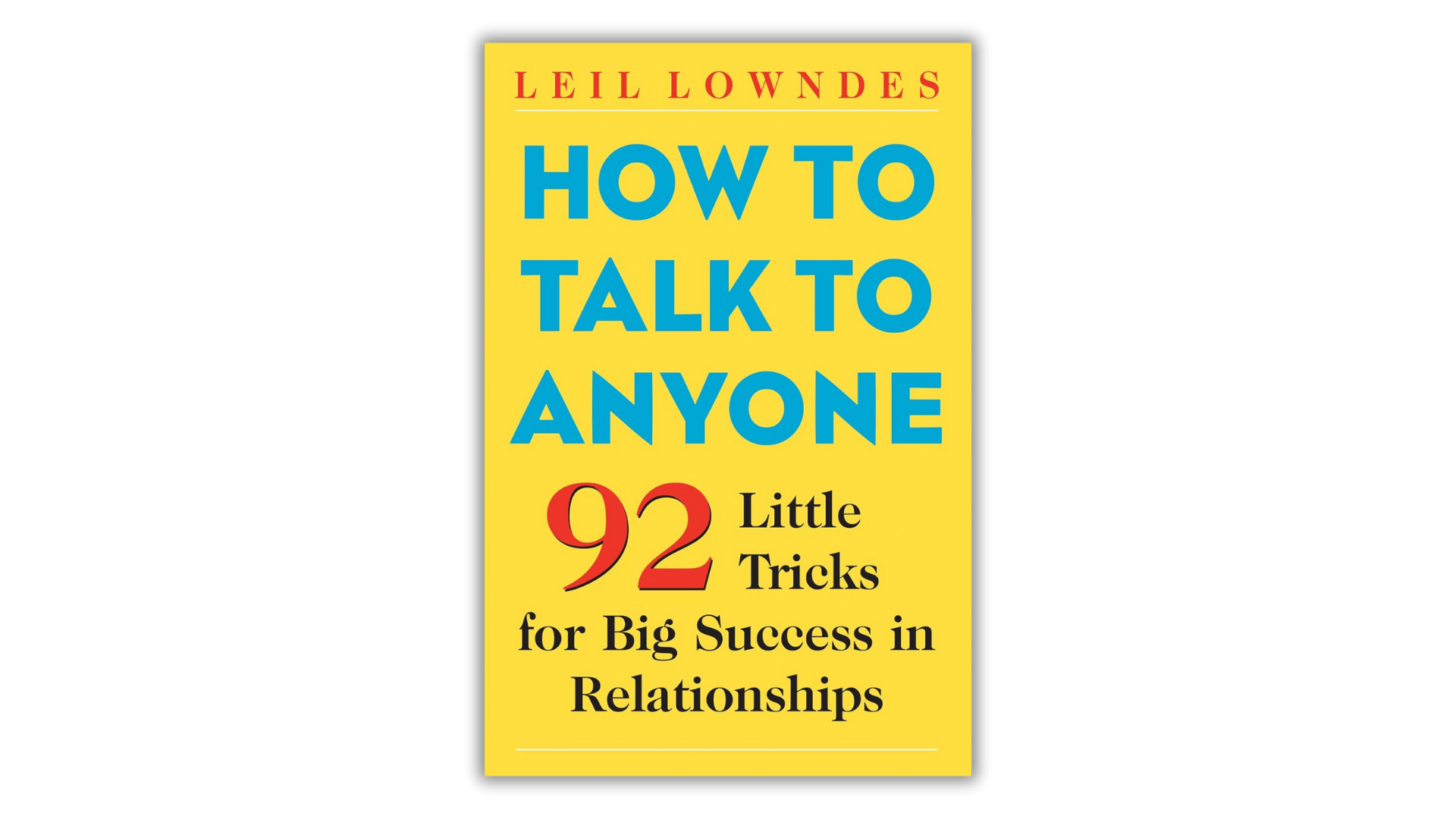
How to Talk to Anyone: 92 Little Tricks for Big Success in Relationships by Leil Lowndes is a perennial favorite in the self-help and communication genre that promises to transform your social interactions — from awkward small talk to confident connection. With its lively tone and practical strategies, this book breaks communication down into actionable, memorable “tricks” that can boost your confidence, presence, and rapport with virtually anyone.
Whether you’re introverted by nature, looking to improve networking skills, or simply seeking smoother conversations in daily life, Lowndes’ book delivers a wealth of techniques grounded in social psychology, observational insight, and lived example.
📘 What This Book Is About
At its core, How to Talk to Anyone is a practical guide — not academic theory — on how to improve communication with people of all backgrounds. What sets this book apart is its collection of 92 bite-sized techniques — each with creative names and simple explanations that make them easy to remember and apply.
These techniques range from first-impression cues (like body language and eye contact) to deeper active listening strategies, making the book useful in both personal and professional contexts.
🧠 Core Themes & Key Concepts
1. First Impressions and Body Language
Lowndes emphasizes that a significant portion of communication happens before a word is spoken. Your posture, how you smile, and how you make eye contact create an immediate perception in others. Techniques like the Flooding Smile (a warm, delayed smile) and open, relaxed posture help you appear confident and approachable.
2. Powerful Nonverbal Signals
Nonverbal cues such as steady eye contact, “Sticky Eyes” (maintained eye contact to show focus), and mirroring body language help build subconscious rapport. These tactics signal genuine interest and create a feeling of mutual understanding.
3. Techniques for Starting Conversations
Lowndes offers clever conversation starters and icebreakers, including using unique visual markers or props (“Whatzit” technique) that give others an easy opening to approach you. Asking open-ended questions and finding common ground builds momentum in exchanges.
4. Active Listening & Emotional Engagement
One of the book’s most important themes is that listening is more significant than talking. Techniques like “Parroting” (echoing what someone has just said) and “Echoing” (matching emotional tone) deepen connection and encourage the other person to open up.
5. Working a Room and Networking
Lowndes doesn’t just address one-on-one conversations — she teaches how to navigate group dynamics, direct your attention like a “Swiveling Spotlight,” and make each person feel special, valuable, and heard.
6. Communication in Professional Settings
Strategies for sounding professional and making memorable impressions — such as preparing concise “nutshell résumés” or using strategic gestures — help in career advancement, interviews, or networking events.
🌟 What Readers Appreciate
Many readers praise the book for its **practicality and ease of implementation**. The techniques are short, memorable, and designed to show impact quickly — making this book useful for anyone from conversational beginners to seasoned communicators.
-
Actionable Techniques: Each tip is clear and directly applicable to real conversations.
-
Confidence Boost: Many find that just applying a few strategies improves their comfort in social settings.
-
Memorable Style: Catchy names and vivid descriptions make the strategies easier to recall when you need them.
-
Broad Use Cases: The book is helpful in both personal relationships and professional networking.
⚠️ Critiques & Limitations
While the book is widely popular, some critics note limitations worth considering:
-
Surface-Level Techniques: Some readers feel the advice is overly focused on tactical “hacks” rather than deeper relational understanding.
-
Repetition: With 92 tips, there’s occasional overlap, which can make the book feel repetitive.
-
Cultural Limitations: Techniques based on eye contact or body language may not apply universally across all cultures.
-
Potential for Misuse: If used insincerely, some techniques can come across as manipulative rather than authentic.
💡 Practical Takeaways You Can Use Today
Here are some of the most actionable ideas you can start applying immediately:
-
Delay and deepen your smile to make it feel more sincere and welcoming.
-
Maintain eye contact just a bit longer than usual to signal presence and interest.
-
Mirror body language subtly to build rapport without seeming fake.
-
Ask open-ended questions to encourage others to speak about themselves.
-
Carry an interesting object to make conversation starters easier.
-
Use names often to make others feel acknowledged and connected.
🤔 Who This Book Is For
How to Talk to Anyone is especially valuable if you want to:
-
Improve networking and professional communication skills.
-
Build confidence in social settings.
-
Become a more engaging conversationalist.
-
Understand nonverbal communication better.
If you already consider yourself very fluent socially or prefer in-depth psychological theory, some parts of the book may feel too “lightweight,” but for most readers the value lies in quick, practical growth.
📌 Final Thoughts
How to Talk to Anyone remains a classic for good reason: it takes the intimidating world of social interaction and breaks it into small, memorable, and effective techniques. Whether you struggle with small talk, want to improve your rapport, or aim to become more charismatic overall, this book gives you an extensive toolkit that’s flexible and surprisingly fun to explore.
With a mix of body language insights, listening strategies, and creative social hacks, Lowndes’ work stays practical and relatable — perfect for anyone ready to boost their communication confidence and make stronger connections in any setting.