

|
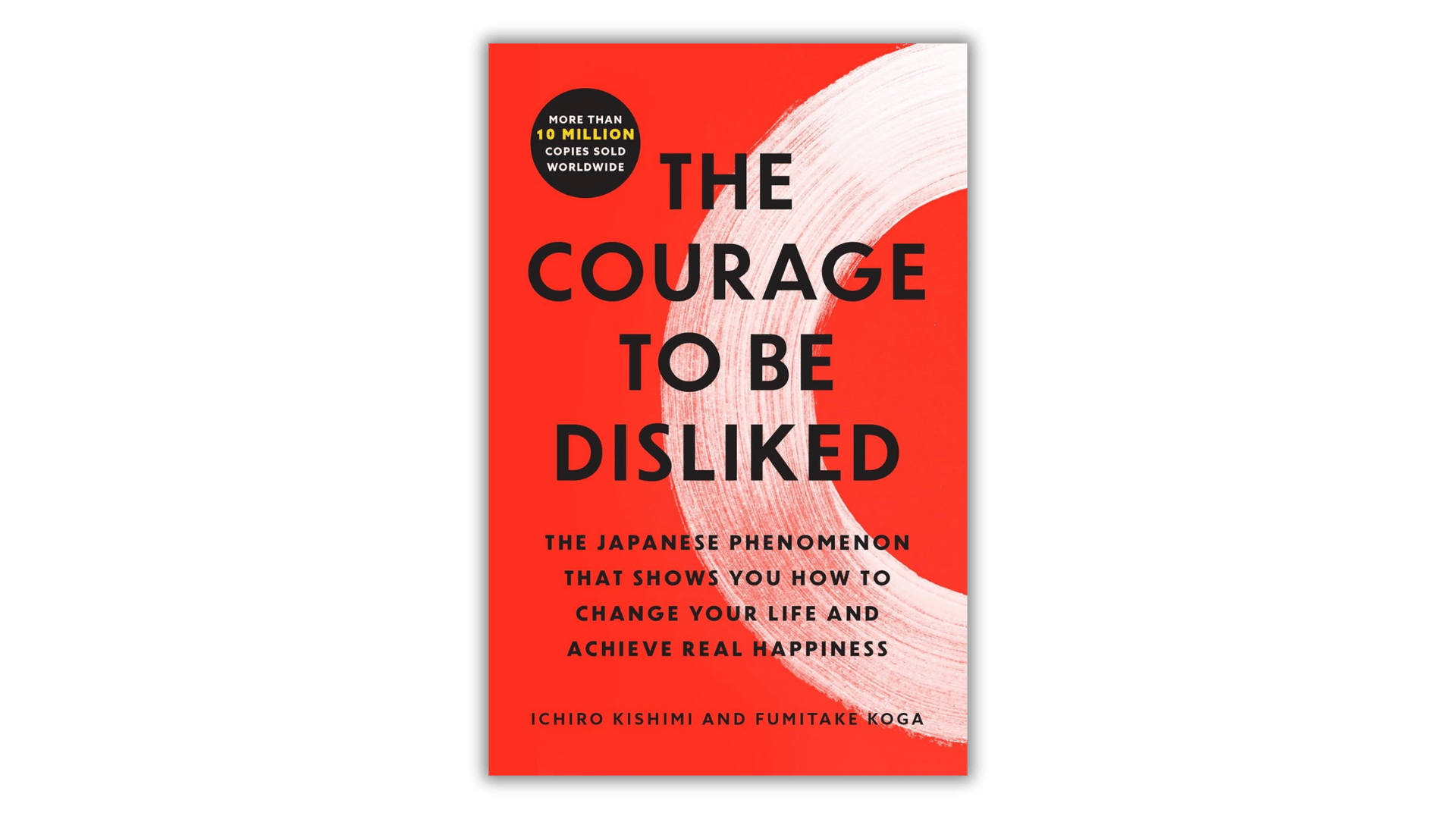
The Courage to Be Disliked is a thought-provoking personal development book authored by Ichiro Kishimi and Fumitake Koga. Unlike traditional self-help titles, this book unfolds through a Socratic dialogue between a philosopher and a young man, exploring the principles of Adlerian psychology — a branch of psychological thought that emphasizes individual responsibility, freedom, and social connection.
Published in English in 2024, this book has sparked widespread discussion — praised for its bold reframing of happiness and criticized for controversial positions on trauma and mental health.
📘 Overview: What This Book Is About
At its core, The Courage to Be Disliked argues that people are not prisoners of their past, environment, or others’ opinions. Rather than presenting a step-by-step system, the book invites you to think deeply about how you interpret life’s circumstances and how your interpretations shape your happiness.
By positioning its lessons as a dialogue, the authors help the reader follow the young man’s resistance and gradual transformation, mirroring the internal journey many of us experience when confronting deeply held beliefs about self, others, and happiness.
🧠 Core Themes & Key Messages
1. Everything Begins with Internal Choice
The book emphasizes that we assign meaning to our past and choose our emotional responses. From this perspective, you aren’t “shaped” by trauma or life events — you interpret them. This makes you responsible for how you live today.
2. Freedom From Seeking Approval
A central idea is that the desire for external validation limits freedom. According to Adlerian thought as presented here, you can only truly choose yourself — not other people’s opinions. Thus, the courage to be disliked means being true to your values even if others disapprove.
3. Separation of Tasks
The book introduces “task separation” — understanding whose tasks belong to you versus others. You are accountable for your life, but you’re not responsible for others’ reactions or judgments. This helps reduce anxiety and unnecessary conflict.
4. Interpersonal Relations and Community Feeling
Rather than competing with others, the book encourages building relationships based on cooperation and contribution. Success isn’t individual victory — it’s meaningful connection and community feeling.
5. Action Over Excuses
The dialog highlights that excuses — like waiting for the “perfect moment” — trap you in inaction. Progress comes from accepting discomfort, addressing challenges, and living authentically.
🌟 What Critics and Readers Say
The reception of this book is mixed — impressive for its impact but debated for its bold claims:
-
Highly praised: Many readers find the philosophy transformational, especially around self-acceptance and breaking free from people-pleasing.
-
Dialogue format: Some appreciate the conversational style, while others find it repetitive or didactic.
-
Controversial positions: Critics argue that dismissing trauma or minimizing mental health struggles can feel insensitive or simplistic.
-
Philosophical depth: Some readers comfortable with psychology or philosophy enjoy the approach, while others find it shallow or unscientific.
📊 Strengths of the Book
-
Empowering perspective: Encourages readers to take ownership of their thoughts, choices, and happiness.
-
Readable philosophy: Turns complex psychological ideas into accessible conversation.
-
Practical insights: Concepts like task separation and releasing the need for approval can be applied in real life.
-
Challenges norms: Questions conventional self-help advice that centres on past trauma or external validation.
⚠️ Limitations & Criticisms
-
Not a quick fix: The book opens deep philosophical questions but doesn’t always provide actionable exercises beyond introspection.
-
Potential oversimplification: Some readers feel it oversimplifies complex emotional and psychological issues.
-
Divisive ideas: Statements about trauma and personal suffering have been criticized as dismissive of real struggles.
-
Dialogue structure: Some find the repeated back-and-forth engaging, while others see it as redundant.
📘 Who Will Benefit Most From This Book?
This is a great read for:
-
Individuals wanting to challenge how they think about happiness and social judgment
-
Readers intrigued by Adlerian psychology or philosophical self-help
-
Those who feel constrained by others’ opinions and want to cultivate authenticity
-
People ready to reflect deeply on choices, responsibility, and life purpose
However, if you prefer structured step-by-step self-improvement guides, clinical psychology approaches, or narrative self-help, this book may feel too abstract or philosophical.}
📌 Final Verdict
The Courage to Be Disliked is more than a self-help book — it’s an invitation to rethink how you interpret your life, relationships, and sense of self. Its Adlerian foundation encourages personal freedom, responsibility, and community-minded living. While some ideas may challenge or unsettle, this book’s bold framing empowers readers to question assumptions and consider a radically different approach to happiness.
Whether you find the philosophy liberating or contentious, the discussion it generates is a testament to its lasting influence in the world of personal development.