

|
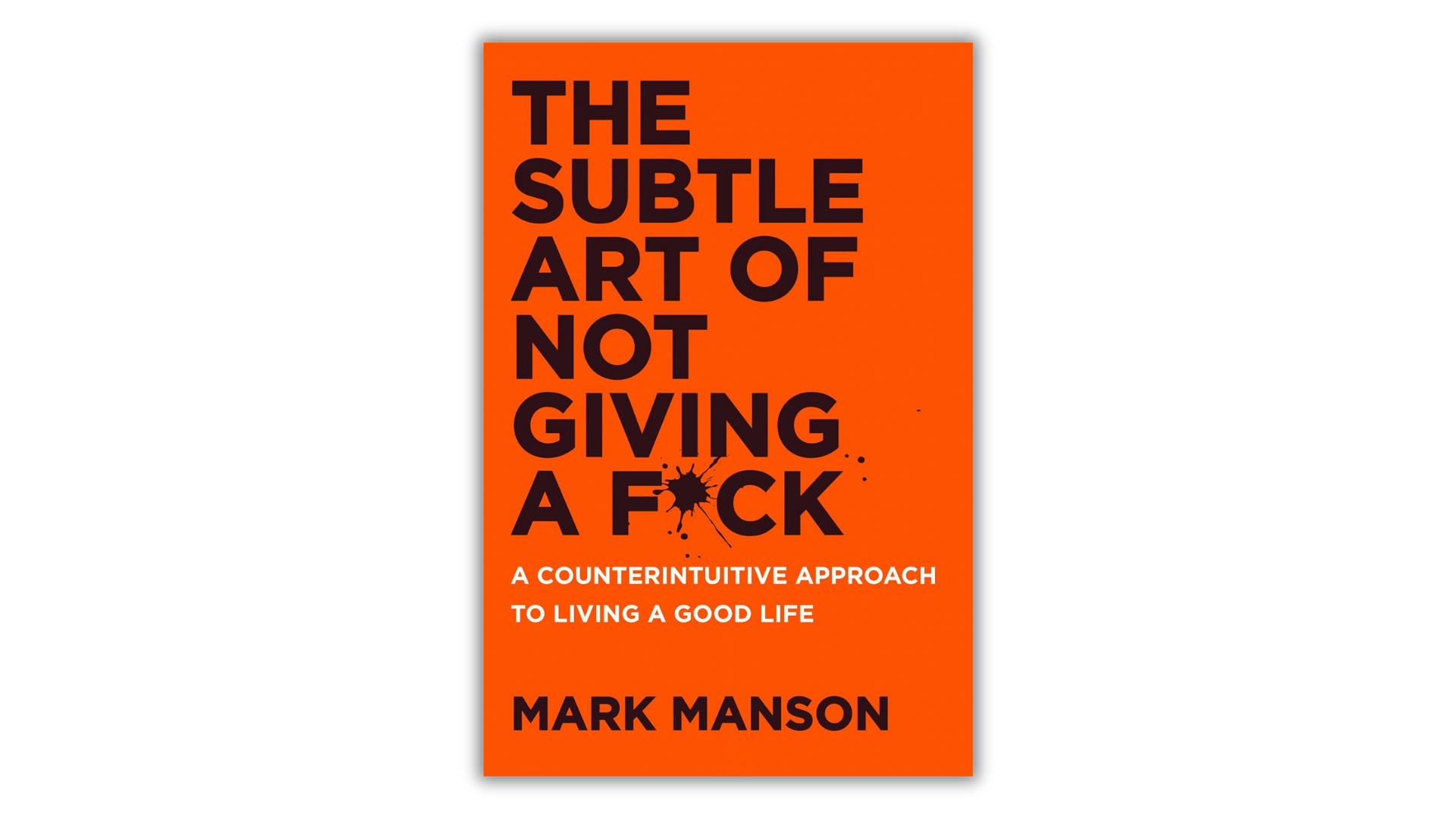
The Subtle Art of Not Giving a F*ck: A Counterintuitive Approach to Living a Good Life by Mark Manson is a bold, unconventional self-help classic that challenges modern positivity culture. Rather than teaching readers to “be happy” at all costs, Manson argues that true fulfillment comes from choosing what truly matters and letting go of the rest. This book has become a worldwide bestseller and cultural touchstone, selling millions of copies and influencing readers across generations.
In this review, we’ll unpack the core messages, examine why the book resonates with so many, and offer balanced insights into its strengths, limitations, and practical takeaways for real life.
📘 About the Book
Published in 2016, The Subtle Art of Not Giving a F*ck flips traditional self-help advice on its head. Rather than listing optimism techniques or habit checklists, Manson centers his worldview on realism, responsibility, and values. He argues that people only have a limited number of “f*cks” — that is, attention, energy, and emotional investment — so they should spend them wisely. This metaphor underscores the idea that prioritization is key to meaningful living.
Manson criticizes the cult of constant positivity, arguing that avoiding hardship and discomfort leads to fragility rather than strength. Instead, he proposes embracing life’s inevitable struggles and choosing what pains we are willing to endure — because growth and resilience are shaped by the challenges we face.
🧠 Core Themes & Key Concepts
1. The Economy of “F*cks”
Manson’s central metaphor is that mental and emotional attention are scarce resources. Instead of trying to care about everything — social status, perfection, constant accomplishment — he urges readers to invest their limited “f*cks” in what aligns with their true values. This isn’t indifference; it’s selective attention that eliminates distraction.
2. Happiness Is Solving Problems
One of Manson’s most counterintuitive claims is that happiness arises not from avoiding problems, but from solving them. He explains that struggle and discomfort are inevitable, and the key to a fulfilling life is finding the problems worth enduring rather than trying to escape them. This approach reframes difficulties as opportunities for personal growth.
3. The Feedback Loop from Hell
Manson discusses how ruminating on negative emotions — like feeling anxious about being anxious — creates a self-reinforcing cycle he dubs the “feedback loop from hell.” Breaking this loop requires accepting negative feelings instead of obsessively trying to eliminate them. This acceptance is a radical departure from typical “feel good” self-help.
4. Choosing Better Values
An important section of the book distinguishes between “good” values and “bad” values. Good values are reality-based, constructive, and under your control (e.g., honesty, curiosity, self-respect). Bad values — such as the pursuit of constant popularity, superficial success, or avoidance of discomfort — lead to chronic dissatisfaction. Choosing healthier values fosters deeper meaning in life.
5. You’re Not Special — And That’s OK
Manson challenges the modern obsession with exceptionalism. He suggests that believing we’re inherently special creates entitlement and insecurity. Instead, embracing mediocrity by acknowledging our limitations can liberate us from unrealistic expectations and lead to more grounded self-acceptance.
6. Responsibility vs. Fault
Manson draws a distinction between fault and responsibility. While external circumstances may not be your fault, taking ownership of how you respond is vital to personal growth. This shift from blame to responsibility empowers readers to shape their lives rather than feel victimized by events.
7. Contemplating Mortality
In later chapters, Manson explores how awareness of mortality can clarify what truly matters. Knowing that life is finite encourages prioritization and helps strip away superficial concerns, urging readers to use their limited time and energy on significant pursuits.
🌟 What Readers Love
The book’s frank, no-nonsense voice has resonated with many readers who feel overwhelmed by the pressures of modern life. Its strengths include:
-
Radical honesty: Manson’s blunt tone cuts through sugar-coated positivity to offer a refreshing alternative.
-
Practical philosophy: Instead of abstract ideas, the book provides grounded, actionable concepts about values and focus.
-
Resilience building: Emphasizing struggle as a path to growth resonates with readers tired of unrealistic self-help promises.
-
Accessible writing: The conversational style and relatable examples make complex ideas easy to digest.
⚠️ Criticisms & Limitations
Despite its popularity, the book has faced critique — particularly from readers who don’t connect with its tone or approach:
-
Profanity and bluntness: Manson’s frequent swearing and direct language, while intentional, can be off-putting to some readers.
-
Repetitive points: Some critiques point out that themes are reiterated throughout the book, making it feel redundant in parts.
-
Over-simplification: Critics argue that life’s complexity can’t always be distilled into neat advice, and some concepts are presented too simply.
-
Tone sensitivity: The irreverent style may not appeal to all personality types or cultural expectations around self-help narratives.
💡 Practical Takeaways You Can Apply
Here are some of the most actionable ideas from the book that you can start using today:
-
Prioritize your energy: Decide what matters most and consciously give fewer “f*cks” to distractions and trivial concerns.
-
Embrace discomfort: Accept that challenges and negative feelings are part of growth, not obstacles to happiness.
-
Assess values: Evaluate whether your values are grounded in reality and personal control.
-
Own your choices: Focus on responsibility — how you respond — rather than blaming circumstances.
-
Memento mori: Reflect on mortality as motivation to focus on deeper life goals.
👥 Who Should Read This Book?
This book is particularly valuable for:
-
Anyone overwhelmed by modern life’s pressures and demands.
-
People tired of typical self-help positivity and looking for grounded realism.
-
Readers wanting to clarify personal values and priorities.
-
Those seeking a shift in mindset about struggle, responsibility, and growth.
If you prefer gentle or optimistic self-help, this book’s style might feel intense. But if you’re ready for unfiltered honesty and a values-centred approach to personal fulfillment, it’s a compelling read.
📌 Final Thoughts
The Subtle Art of Not Giving a F*ck delivers a powerful counter-narrative to conventional self-help. Its emphasis on selective attention, embracing discomfort, and choosing meaningful values over superficial success strikes a chord in a world saturated with distraction and unrealistic positivity. While not without its critics, the book’s lasting popularity speaks to the hunger for honesty, resilience, and personal agency in the pursuit of a meaningful life.