

|
🔍 Introduction: Why This Book Matters
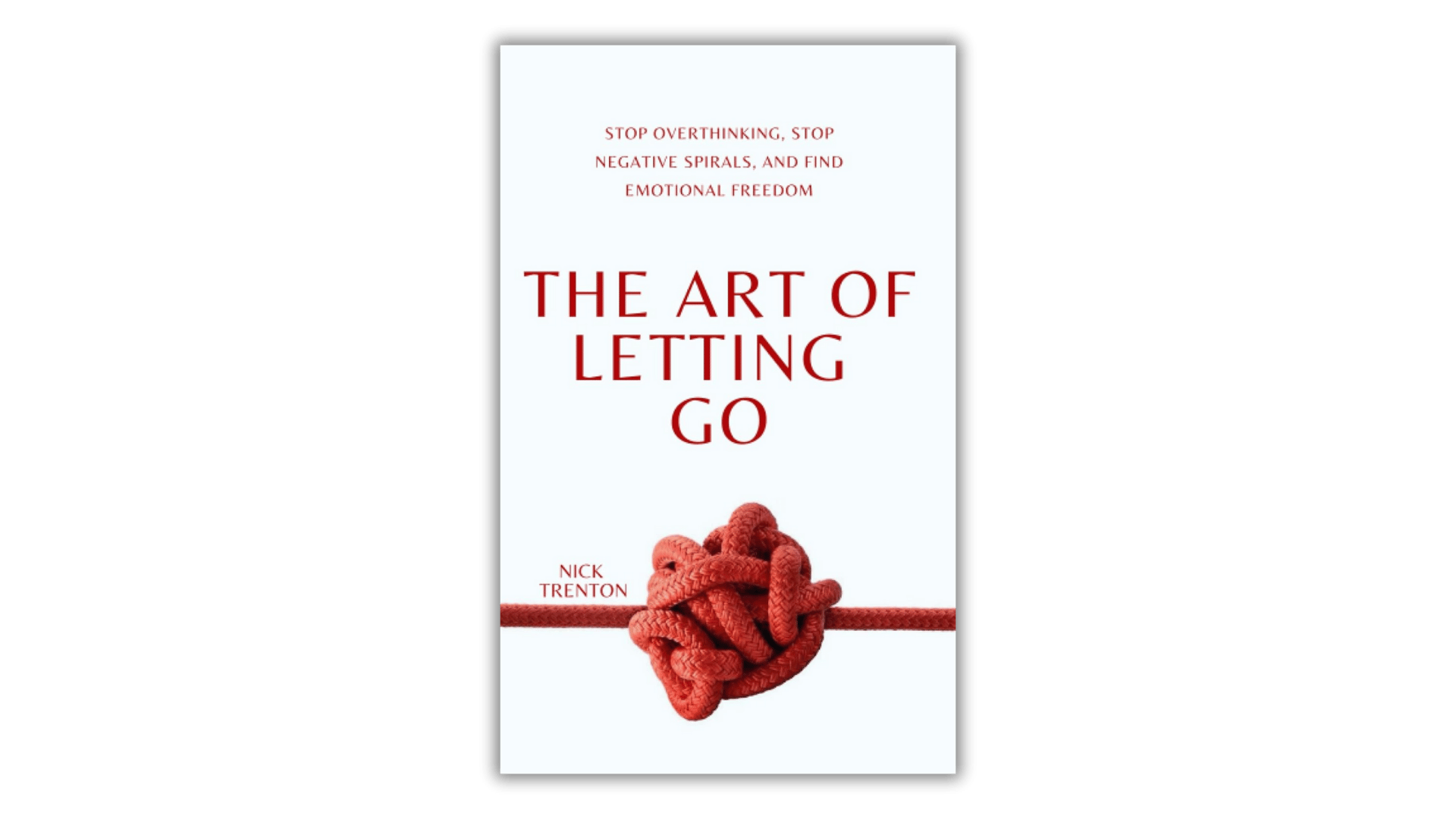
The Art of Letting Go is a self-help guide designed to help readers break free from the mental patterns that keep them stuck in overthinking, emotional noise, and unhelpful thought spirals. Drawing on psychologically grounded principles and practical techniques, Nick Trenton encourages readers to transform their internal world so that their mind becomes a place of peace rather than chaos. The book’s central message is that letting go is not about forgetting or suppression — it is about accepting, processing, and releasing what no longer serves your emotional wellbeing.
At its core, this book invites readers to untangle the “mental mess” most of us carry — negative self-talk, past regrets, perfectionism, and fear — and replace it with clarity, resilience, and emotional freedom.
🌿 Core Themes and Key Concepts
Trenton’s approach centers on helping readers identify and dismantle the cognitive and emotional barriers that prevent them from living with presence and peace. Rather than offering abstract philosophy, the book provides down-to-earth strategies to quiet the inner critic, stop overthinking, and reframe negative patterns into healthier, more adaptive ones.
The Mind Should Be a Safe Zone
One of the key ideas in the book is that the mind ideally should function as a sanctuary — not the “noisiest place in the world.” Here, Trenton underscores how incessant thoughts about the past or future create emotional turbulence and prevent us from experiencing calm in the present. The book encourages practices that help bring attention back to the here and now.
Overthinking as a Mental Trap
The narrative makes clear that overthinking — replaying scenarios, dwelling on what “might” happen, or analyzing every interaction — creates a cycle of stress and worry that rarely leads to productive outcomes. Instead, Trenton urges readers to notice when they are overthinking and to shift toward observation, acceptance, and action.
Psychological Techniques for Letting Go
Trenton offers several mental tools and exercises designed to help readers gain psychological distance from their thoughts and emotions. These include non-judgmental observation of feelings, self-distancing techniques, and structured ways to externalize internal experiences. Together, these practices help rewire habitual thinking patterns, allowing readers to approach challenges with greater balance and perspective. {index=5}
Release the Pursuit of Perfectionism
A recurring theme is the difference between perfectionism — an unattainable standard that fuels stress — and “excellentism,” a mindset that values growth and effort without harsh self-judgment. This shift in perspective allows readers to engage in life more fully, without being weighed down by fear of failure or external approval.
💡 Practical Takeaways and Tools
The Art of Letting Go is packed with strategies that readers can start applying immediately. While some are simple in concept, their impact can be profound when practiced consistently:
-
Mindful Awareness: Learn to observe thoughts without identifying with them.
-
Brain Dumping: A technique to clear mental clutter by writing thoughts down and examining them objectively.
-
Self-Distancing: Viewing your thoughts and emotions from an external perspective to reduce reactivity.
-
Non-Judgmental Thinking: Treat thoughts as passing events, not truths that define you.
-
Reframing Perfectionism: Shift from fear of mistakes to a mindset of continuous learning and growth.
These tools aim to help readers step off the treadmill of persistent worry and cultivate mental habits that promote clarity, resilience, and emotional freedom.
🧠 Strengths of the Book
-
Accessible and Practical: The writing is clear and designed for readers from all backgrounds, making complex ideas about the mind easy to digest.
-
Action-Oriented: Instead of vague advice, the book offers exercises that encourage immediate application.
-
Holistic Approach: It addresses thoughts, emotions, beliefs, and behaviors in an integrated way.
⚖️ Considerations and Criticisms
While the overall message is positive, some readers have noted that certain concepts and advice may feel repetitive — especially for those already familiar with mindfulness or cognitive reframing practices. Others observe that the book occasionally simplifies complex emotional challenges, which may leave readers wanting deeper exploration or complementary professional support.
Additionally, a few have mentioned that the narrative style relies heavily on broad psychological tips and examples rather than in-depth case analyses or extensive scientific grounding, which might not satisfy readers looking for academic depth.
🎯 Who This Book Is For
The Art of Letting Go is particularly well-suited for readers who:
-
Find themselves trapped in cycles of overthinking or emotional overwhelm.
-
Want practical tools to manage stress, negative self-talk, and internal criticism. {index=14}
-
Are new to self-help and mindfulness and want accessible guidance.
-
Seek encouragement and refreshment in their emotional-wellbeing journey.
✨ Final Thoughts: A Compassionate Guide to Inner Peace
The Art of Letting Go offers a heartfelt and thoughtful exploration into emotional freedom, mindfulness, and personal resilience. Through practical techniques and reflective insight, Nick Trenton encourages readers to challenge unhelpful thought patterns, embrace presence, and cultivate peace within themselves. Whether you’re struggling with lingering emotional attachments, stress, or a relentless inner critic, this book provides tools to help you gradually loosen the grip of mental noise and reclaim clarity of mind.
Letting go, as Trenton teaches, is not a single achievement — it’s a practice, an ongoing choice to live more freely and intentionally. For anyone seeking to transform inner turmoil into mindful calm, this book can serve as a meaningful companion on that journey.