

|
📘 Book Overview
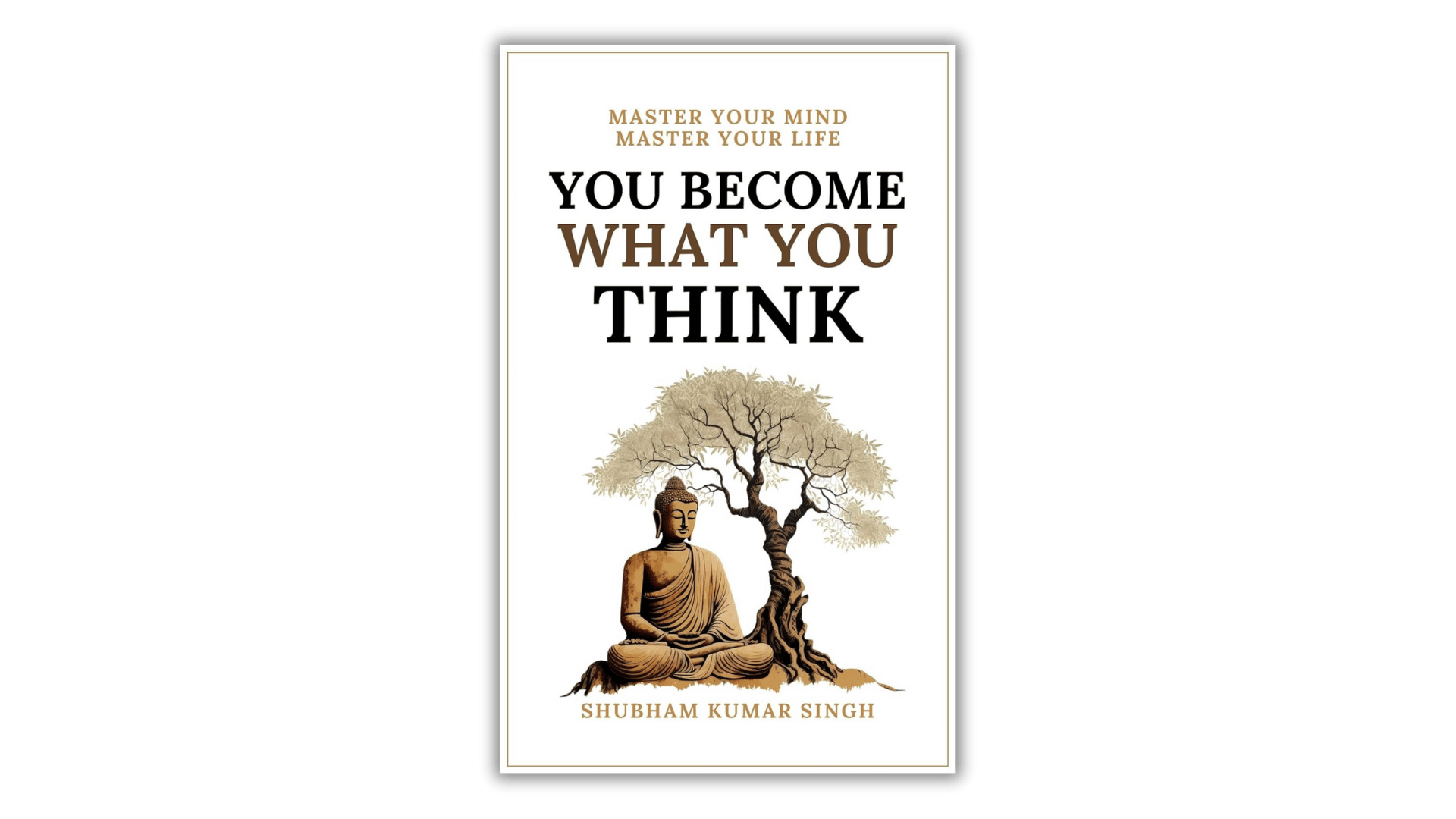
You Become What You Think is a self-help guide written by Shubham Kumar Singh that aims to help readers master their mindsets in order to transform their lives. This book is crafted as a practical toolkit that helps readers understand how thoughts influence behaviour, success, relationships, and emotional well-being.
The author synthesizes concepts from psychology, mindfulness practices, and positive thinking into actionable advice readers can apply every day. This review explores the book’s core ideas, strengths, weaknesses, and who will benefit most from reading it.
🧠 Core Themes & Concepts
1. The Power of Thought
The central thesis of the book is that thoughts shape reality. Singh argues that by becoming aware of and guiding your inner dialogue, you can improve outcomes in life, like happiness, relationships, and professional success. This echoes age-old philosophies but is framed with modern self-help clarity.
2. Self-Awareness and Mindfulness
One highlight is the emphasis on self-awareness and present-moment focus. Through reflection techniques, the author encourages readers to observe entrenched thought patterns in order to replace negative or unhelpful thinking with intentional beliefs.
3. Practical Exercises and Tools
A key strength lies in its actionable strategies. Rather than stay in theory, Singh provides journaling prompts, affirmation practices, and other tools designed to help readers implement and reinforce the ideas.
4. Relationships and Emotional Intelligence
The book also delves into how mindful thought improves communication and fosters healthier relationships. Singh discusses emotional dependency, expectations, and projection in interpersonal dynamics.
🌟 What Readers Loved
The book has gained a largely positive reception on community sites like Goodreads, where many readers praised its clarity, relatability, and practical value.
-
Accessible Structure: Many appreciated that each chapter offers fresh insights without excessive repetition.
-
Actionable Guidance: Readers noted the book functions as a toolkit rather than purely abstract philosophy.
-
Positive Reinforcement: For beginners to personal development, numerous reviews find this book inspiring and transformative.
-
Wide Appeal: The principles touch on happiness, psychology, relationships, and resilience — a broad spectrum that resonates with many readers.
⚠️ Criticisms & Limitations
Despite generally positive feedback, critiques exist and are worth addressing for a balanced review.
1. Familiar Concepts
Some readers found the book’s ideas familiar or derivative of classic self-help literature. A few reviewers felt there was little groundbreaking content for seasoned personal growth readers.
2. Basic Treatment of Complex Topics
Certain critiques highlight that complex psychological or mental health concepts can feel overly simplified, especially for individuals seeking deep scientific or therapeutic insight.
3. Structural Repetition
While many appreciate its approachable voice, a minority find sections repetitive or notice editorial inconsistencies like occasional typos or formatting issues.
📚 Who Should Read This Book?
You Become What You Think is particularly valuable for:
-
Beginners to self-improvement literature
-
Individuals seeking to break negative thought patterns
-
Anyone looking for actionable habits to improve mindset
-
Readers who enjoy reflective, motivational guidance
It may be less ideal for those with deep expertise in psychology or long-time personal development readers seeking highly novel insights.
📌 Final Thoughts
You Become What You Think offers a compelling, readable journey into how thoughts impact your lived experience. While not revolutionary in its core philosophy, it excels as a practical guide for self-reflection and intentional mindset work. Whether you’re confronting stress, aiming for personal growth, or wanting to deepen self-understanding, this book supplies tools that can be returned to again and again.
In the crowded world of self-help literature, Singh’s book stands out for its purpose-driven voice, user-friendly structure, and empathy toward readers navigating life’s challenges — making it a strong choice for anyone ready to take responsibility for their inner world.